1. Isingeniso
Thank you for choosing the Novodesk AZ5130 6-in-1 Automatic Vacuum Sealer Machine. This manual provides essential information for the safe and efficient operation, maintenance, and troubleshooting of your new appliance. Please read these instructions thoroughly before first use and retain them for future reference.

Image 1.1: The Novodesk AZ5130 Vacuum Sealer in operation, sealing food for preservation.
2. Imiyalelo Yezokuphepha Ebalulekile
Uma usebenzisa izinto zikagesi, izinyathelo zokuphepha eziyisisekelo kufanele zihlale zilandelwa ukuze kuncishiswe ingozi yomlilo, ukushaqeka kukagesi, nokulimala kwabantu, okuhlanganisa nalokhu okulandelayo:
- Funda yonke imiyalelo ngaphambi kokusebenzisa lolu hlelo lokusebenza.
- Do not operate the appliance with a damaged power cord or plug. If the cord or plug is damaged, contact customer support for assistance.
- Ungacwilisi into esetshenziswayo, intambo kagesi, noma uyixhume emanzini noma kolunye uketshezi.
- Lesi sixhobo asihloselwe ukusetshenziswa abantu (kuhlanganise nezingane) abanekhono elincishisiwe lomzimba, izinzwa, noma engqondo, noma abangenalo ulwazi nolwazi, ngaphandle uma benikezwe ukugadwa noma umyalelo ophathelene nokusetshenziswa kwento kagesi ngumuntu onesibopho sokuphepha kwabo. .
- Ukugadwa okuseduze kuyadingeka uma noma isiphi isisetshenziswa sisetshenziswa izingane noma eduze kwazo.
- Khipha ipulaki lapho ingasetshenziswa nangaphambi kokuhlanza. Vumela ukuthi kuphole ngaphambi kokugqoka noma ukukhipha izingxenye, nangaphambi kokuhlanza umshini.
- Ungasebenzisi izinanyathiselwa ezinganconyiwe umenzi.
- Ungasebenzisi ngaphandle.
- Ungayibeki eduze noma eduze kwegesi eshisayo noma isibambi sikagesi, noma kuhhavini oshisayo.
- Always ensure the lid is properly latched before operating.
- Use only vacuum sealer bags designed for vacuum sealing.
3. Okuqukethwe Kwephakheji
Carefully unpack your Novodesk AZ5130 Vacuum Sealer and check that all items are present and in good condition. If any items are missing or damaged, please contact customer support.
- 1 x Novodesk AZ5130 Vacuum Sealer Machine
- 1 x I-Power Cord
- 1 x Vacuum Hose (for external vacuuming)
- 2 x Sealing Foam Gaskets (replacement)
- 6 x Pre-cut Vacuum Bags (3.9" x 7.8")
- 6 x Pre-cut Vacuum Bags (7.8" x 11.8")

Image 3.1: All components included in the Novodesk AZ5130 Vacuum Sealer package.
4. Umkhiqizo Uphelileview
Familiarize yourself with the various parts and functions of your vacuum sealer.

Image 4.1: Control panel and function buttons of the vacuum sealer.
Imisebenzi Yephaneli Yokulawula:
- Process Indicator Light: Illuminates to show operating status.
- Imodi eyomile: For vacuum sealing dry foods like nuts and grains.
- Imodi Emanzi: For vacuum sealing foods with a small amount of liquid.
- Umsebenzi we-Pulse: Allows manual control of the vacuum process, ideal for fragile foods.
- Seal Function: Seals bags without vacuuming.
- Inkinobho yokumisa: Imisa ukusebenza kwamanje.
Image 4.2: Internal components of the vacuum sealer.
Izingxenye Ezibalulekile:
- Igumbi leVacuum: Area where air is removed from the bag.
- Silicone Strip: Helps create a tight seal.
- Umugqa wokuvala: Heats to create the bag seal (4mm wide).
- Foam Seal Ring: Ensures proper vacuum.
- Cover Slaps: Prevents the vacuum bag from coming out of the vacuum chamber.
- External Sliding Cutter: Integrated cutter for custom bag sizes.
- External VAC Port: For connecting the vacuum hose to jars and containers.
5. Setha
Before first use, ensure the appliance is clean and dry. Place the vacuum sealer on a flat, stable surface.
Izinyathelo Zokuqala Zokusetha:
- Connect the power cord to the appliance and then to a suitable electrical outlet.
- Prepare your vacuum bag with food, ensuring the open end is clean and dry. Leave at least 2-3 inches of space between the food and the top of the bag.
6. Iziqondiso Zokusebenza
6.1. Basic Vacuum Sealing (Dry & Moist Modes)
Follow these steps for standard vacuum sealing of food bags:
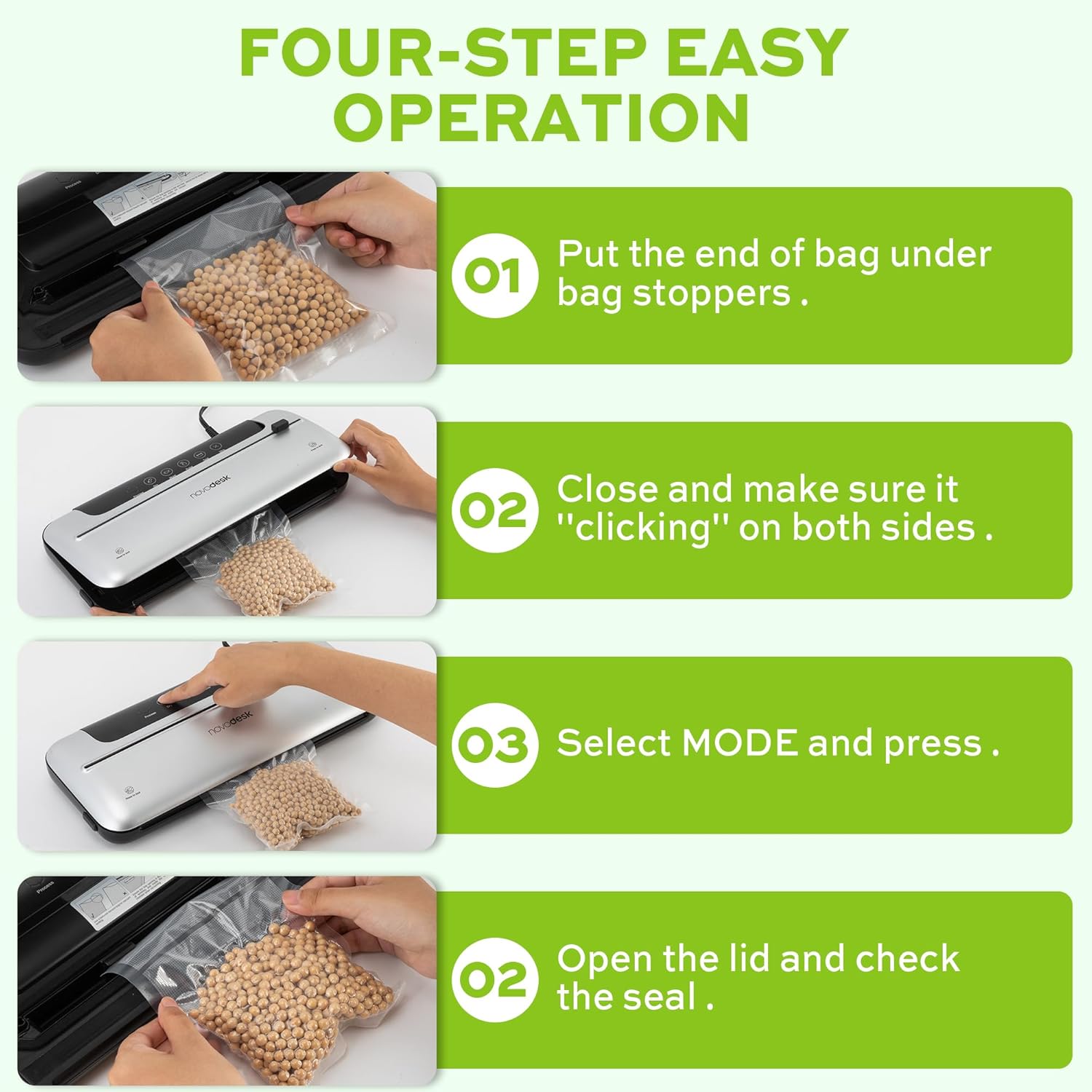
Image 6.1: Four-step easy operation for vacuum sealing.
- Lungiselela Isikhwama: Place the open end of the vacuum bag under the bag stoppers, ensuring it is flat and centered within the vacuum chamber.
- Vala Isivalo: Firmly close the lid of the vacuum sealer. Press down on both sides until you hear a "clicking" sound, indicating that the lid is securely latched.
- Khetha Imodi: Choose the appropriate mode for your food:
- Cindezela inkinobho Yomile button for dry foods.
- Cindezela inkinobho Okuswakeme button for moist foods.
- Hlola uphawu: Once the process is complete and the indicator light turns off, open the lid and remove the sealed bag. Inspect the seal to ensure it is airtight.
6.2. Pulse Function
The Pulse function provides manual control over the vacuum process, which is ideal for delicate or fragile foods that could be crushed by full vacuum pressure.
- Follow steps 1 and 2 from "6.1. Basic Vacuum Sealing".
- Cindezela bese ubamba i I-Pulse button. The machine will begin to vacuum.
- Khipha i I-Pulse button when the desired vacuum level is reached.
- Cindezela inkinobho Faka uphawu button to seal the bag.
- Open the lid and remove the sealed bag.
6.3. Seal Only Function
Use the Seal function to create a seal without vacuuming, useful for making custom-sized bags from a roll or resealing snack bags.
- Place the open end of the bag onto the sealing strip.
- Vala isivalo ngokuqinile size sichofoze.
- Cindezela inkinobho Faka uphawu button. The machine will heat and seal the bag.
- Once the sealing process is complete, open the lid and remove the sealed bag.
6.4. External Vacuum Function (for Jars/Containers)
Your vacuum sealer includes an external vacuum hose for use with compatible vacuum-sealable jars, containers, and wine stoppers.

Image 6.2: Using the external vacuum system with various containers.
- Prepare your vacuum-sealable jar or container with food. Ensure the lid is properly placed.
- Insert one end of the vacuum hose into the external VAC port on the vacuum sealer.
- Insert the other end of the vacuum hose into the port on your vacuum-sealable jar or container.
- Close the lid of the vacuum sealer (no bag needed inside).
- Cindezela inkinobho External VAC button (if available, otherwise use Dry/Moist mode to activate vacuum pump). The machine will begin to remove air from the container.
- Once the vacuum process is complete, remove the hose. The container should now be sealed.
6.5. Using the External Sliding Cutter
The integrated sliding cutter allows you to create custom-sized bags from a roll of vacuum sealer material.
- Place the vacuum bag roll across the cutting area.
- Slide the cutter blade across the bag material to achieve the desired length.
7. Ukunakekela kanye Nokuhlanza
Regular cleaning and maintenance will ensure the longevity and optimal performance of your vacuum sealer.
Imiyalelo yokuhlanza:
- Ngaso sonke isikhathi khipha ipulaki ngaphambi kokuhlanza.
- Sula ingaphandle lomshini ngesithambile, damp indwangu. Ungasebenzisi izinto zokuhlanza abrasive noma izincibilikisi.
- Clean the vacuum chamber and sealing strip area with a damp cloth. Ensure no food particles or liquids remain.
- The foam seal rings can be removed for cleaning if necessary. Wash with mild soap and water, rinse thoroughly, and allow to air dry completely before reinserting.
- Qinisekisa ukuthi zonke izingxenye zomile ngokuphelele ngaphambi kokugcina noma ukusebenzisa idivayisi futhi.
Isitoreji:
Store the vacuum sealer in a clean, dry place. For best results, store with the lid unlatched to prevent compression of the foam seal rings, which can affect sealing performance over time.
8. Ukuxazulula izinkinga
If you encounter issues with your vacuum sealer, refer to the following common problems and solutions:
| Inkinga | Imbangela Engenzeka | Isixazululo |
|---|---|---|
| Umshini awuvuli. | Akukho ukunikezwa kwamandla. | Check if the power cord is securely plugged into the outlet and the machine. Test the outlet with another appliance. |
| Machine vacuums but does not seal. | Sealing strip or foam gasket is dirty/damaged. Bag is not positioned correctly. | Clean the sealing strip and foam gaskets. Ensure the bag is flat and centered over the sealing strip. Replace gaskets if damaged. |
| Machine seals but does not vacuum. | Lid not properly latched. Foam gaskets are dirty or worn. Bag has holes or is not suitable. | Ensure the lid is firmly closed and latched on both sides. Clean or replace foam gaskets. Use proper vacuum sealer bags and check for damage. |
| Vacuum is weak or inconsistent. | Foam gaskets are dirty or worn. Too much liquid in the bag (for Dry mode). | Clean or replace foam gaskets. Use Moist mode for foods with liquid, or pre-freeze liquids. |
| Bag melts during sealing. | Sealing time too long (unlikely for automatic models). | Ensure you are using appropriate vacuum sealer bags. If issue persists, contact customer support. |
If the problem persists after attempting these solutions, please contact Novodesk customer support for further assistance.
9. Imininingwane
| Ibhrendi | Novodesk |
| Inombolo Yemodeli | AZ5130 |
| Amandla / Wattage | 120 watts |
| Voltage | 120V |
| Okubalulekile | I-Acrylonitrile Butadiene Styrene (ABS) |
| Isisindo sento | 980 g (2.16 pounds) |
| Umbala | Isiliva |
| Imodi yokusebenza | Okuzenzakalelayo |
| Amandla Anamandla Okudonsa | 75KPa |
| Ububanzi Bomugqa Wokuvala | 4 mm |
10. Iwaranti kanye Nokusekela
Novodesk products are manufactured to high-quality standards. For information regarding warranty coverage, product support, or to purchase replacement parts, please refer to the warranty card included with your product or visit the official Novodesk website. If you have any questions or require assistance, please contact Novodesk customer service.

