1. Umkhiqizo Uphelileview
The VEVOR 500 lbs Double Scissor Hydraulic Lift Table (Model TFD20) is designed for efficient and safe material handling and transportation. Constructed from high-strength carbon steel with a rust-resistant coating, this lift table offers a robust solution for various lifting tasks in workshops, warehouses, supermarkets, and repair garages. Its dual scissor mechanism provides stable lifting, and the manual hydraulic pump allows for smooth height adjustments.

Figure 1: VEVOR 500 lbs Double Scissor Hydraulic Lift Table with key dimensions (28x18 inch tabletop, 11.8-47.2 inch lifting height).
Ividiyo 1: Ngaphezuluview of the VEVOR Hydraulic Lift Table Cart, demonstrating its features and functionality.
Izici Eziyinhloko:
- 500 lbs Heavy-duty Capacity: Robust construction from high-strength, thickened carbon steel with a rust-resistant spray coating. Tabletop measures 28 x 18 inches.
- Smooth Lifting: High-efficiency hydraulic pump for height adjustments from 11.8 to 47.2 inches. Integrated design prevents oil leaks.
- Ukusebenza Okulula: Simple assembly. Foot pedal for lifting, hydraulic release handle for lowering.
- Idizayini Yeselula: Equipped with two directional wheels and two 360° PU swivel wheels for easy movement. Features a brake lock function for stability.
- Security Safeguard Device: Dual scissor structure with guard bars on both sides to prevent accidental lowering and enhance safety during operation and maintenance.
2. Ulwazi Lokuphepha
Always prioritize safety when operating the VEVOR Hydraulic Lift Table. Failure to follow safety guidelines can result in serious injury or equipment damage.
- Funda Imanuwali: Fully understand all instructions and warnings before use.
- Amandla okulayisha: Never exceed the rated load capacity of 500 lbs (226 kg). Overloading can cause structural failure and injury.
- Ubuso obuzinzile: Operate the lift table on a flat, level, and stable surface.
- Umthwalo ovikelekile: Ensure the load is centered and stable on the tabletop before lifting or moving. Use the non-slip pad provided.
- Brake Engagement: Always engage the wheel brakes when the lift table is stationary or when loading/unloading items.
- Sula Indawo: Keep hands, feet, and other body parts clear of the scissor mechanism during lifting and lowering to prevent pinching injuries.
- Guard Bars: The integrated guard bars provide additional support. Do not remove or modify them.
- Izinto Zokuzivikela Zomuntu Siqu (PPE): Wear appropriate safety gear, such as safety shoes and gloves, when operating.
- Ukuhlola: Before each use, inspect the lift table for any signs of damage, wear, or hydraulic fluid leaks. Do not use if damaged.

Figure 2: The dual scissor structure includes guard bars on both sides to prevent accidental lowering and protect against pinching injuries.
3. Ukusetha nokuhlanganisa
The VEVOR Hydraulic Lift Table requires minimal assembly. Follow these steps to prepare your lift table for use:
- Ukukhulula: Susa ngokucophelela zonke izingxenye ephaketheni. Hlola noma yimuphi umonakalo wokuthutha.
- Handle Assembly: Attach the handle to the designated mounting points on the lift table base using the provided screws and tools. Ensure all fasteners are securely tightened.
- Iphedi engasheleli: Place the rubber non-slip pad onto the tabletop. This enhances stability for items being lifted.
- Hlola Amasondo: Verify that all four wheels are securely attached and can rotate freely.

Figure 3: Visual guide for attaching the handle and preparing the lift table for operation.
4. Iziqondiso Zokusebenza
Operating the hydraulic lift table is straightforward. Always ensure the load is stable and within the weight capacity before proceeding.
4.1. Lifting the Tabletop:
- Position the lift table with the load securely placed on the non-slip pad.
- Ensure the wheel brakes are engaged if the table needs to remain stationary during lifting.
- Step on the foot pedal located at the base of the lift table. Continue pressing the pedal until the tabletop reaches the desired height.
- The hydraulic pump ensures smooth and consistent ascent.
4.2. Lowering the Tabletop:
- To lower the tabletop, slowly pull the hydraulic release handle, typically located on the handle assembly.
- Control the descent speed by adjusting the pressure on the release handle. Release the handle to stop lowering.
4.3. Moving the Lift Table:
- Before moving, ensure the tabletop is in its lowest position for maximum stability, especially with heavy loads.
- Disengage the wheel brakes.
- Use the handle to push or pull the lift table to the desired location. The 360° swivel wheels provide easy maneuverability.
- Once in position, engage the wheel brakes to prevent accidental movement.
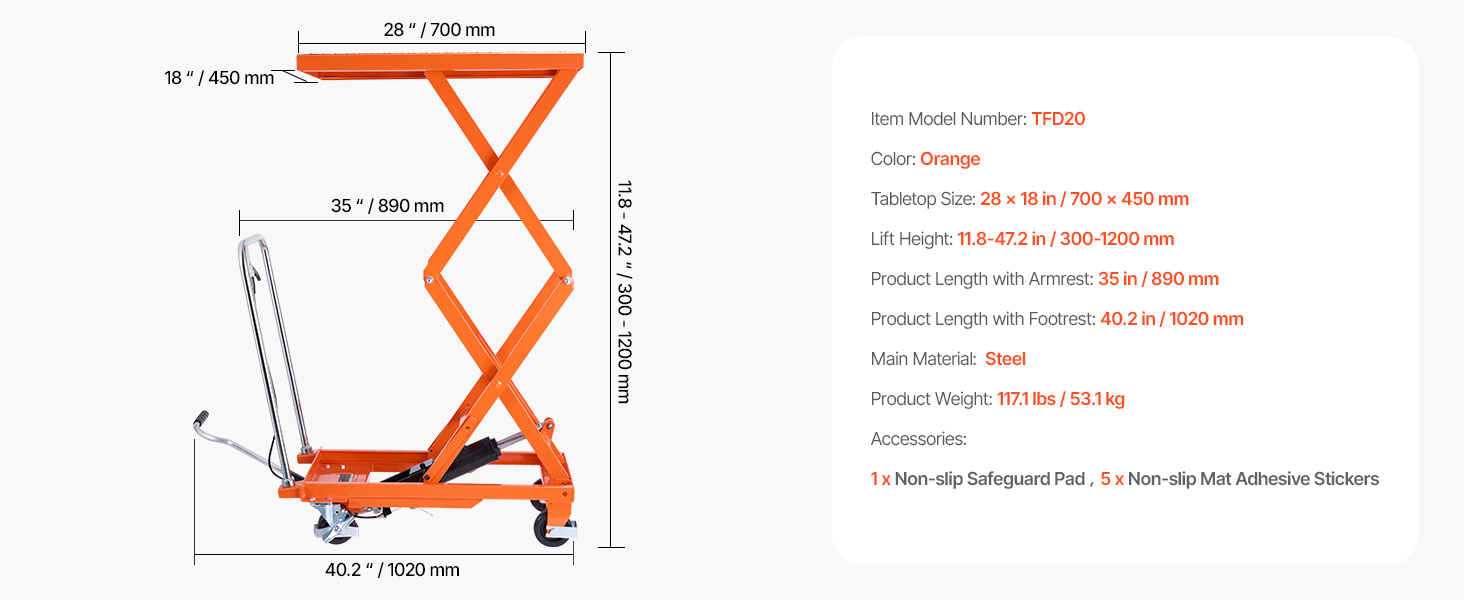
Figure 4: Demonstrates using the foot pedal to raise the table and the control handle to lower it.
Video 2: A user demonstrates the lifting and lowering mechanism of the hydraulic lift table.
Video 3: Demonstration of the lift table's use in a business setting for handling heavy equipment.
5. Isondlo
Regular maintenance ensures the longevity and safe operation of your VEVOR Hydraulic Lift Table.
- Ukuhlanza: Keep the tabletop and scissor mechanism clean and free from debris, dirt, and corrosive materials. Use a damp indwangu yokuhlanza.
- Ukuthambisa: Periodically lubricate all pivot points and moving parts of the scissor mechanism with appropriate grease to ensure smooth operation and prevent wear.
- I-Hydraulic Fluid: Check the hydraulic fluid level regularly. If the level is low or the fluid appears contaminated, consult a qualified technician for refilling or replacement. Use only recommended hydraulic fluid.
- Izibophelelo: Periodically check all bolts, nuts, and other fasteners for tightness. Tighten any loose fasteners to prevent instability.
- Ukuhlolwa kwamasondo: Inspect wheels and casters for wear, damage, or obstructions. Ensure brakes are functioning correctly.
- Isitoreji: When not in use, lower the tabletop to its minimum height and store the lift table in a dry, protected area to prevent rust and damage.
6. Ukuxazulula izinkinga
This section addresses common issues you might encounter with your hydraulic lift table.
| Inkinga | Imbangela Engenzeka | Isixazululo |
|---|---|---|
| Tabletop does not lift or lifts slowly. | Low hydraulic fluid level, air in the hydraulic system, overloaded, or pump malfunction. | Check hydraulic fluid level and refill if necessary. Bleed air from the system (refer to detailed hydraulic system instructions if available). Reduce load. Contact customer support if pump is faulty. |
| Tabletop drifts down after lifting. | Leaking hydraulic seals, release valve not fully closed, or internal valve issue. | Ensure release handle is fully disengaged. Inspect for visible fluid leaks. If leaks or internal issues are suspected, contact customer support. |
| Difficulty moving the table. | Brakes engaged, damaged wheels, or uneven load. | Disengage wheel brakes. Inspect wheels for damage or debris and clean if necessary. Redistribute load evenly. |
| Unstable operation (wobbling). | Uneven load, loose fasteners, or operating on an uneven surface. | Ensure load is centered. Tighten all fasteners. Move to a flat, level surface. |
7. Imininingwane
| Isici | Ukucaciswa |
|---|---|
| Ibhrendi | I-VEVOR |
| Inombolo Yemodeli | I-TFD20 |
| Okubalulekile | Insimbi Yekhabhoni |
| Umbala | iwolintshi |
| Isitayela | I-Double Scissor |
| Layisha Amandla | Amapondo ayi-500 (226 kg) |
| Lifting Height Range | 11.8 - 47.2 amayintshi (300 - 1200 mm) |
| I-Tabletop Dimensions | 28"L x 18"W (700 x 450 mm) |
| Product Dimensions (with armrest) | 35"L x 18"W x 47.2"H (890 x 450 x 1200 mm) |
| Product Length (with footrest) | 40.2 amayintshi (1020 mm) |
| Isisindo sento | Amapondo ayi-117.1 (53.1 kg) |
| Inombolo Yamasondo | 4 |
| Uhlobo Lwesondo | Polyurethane Steel |
| Izingxenye Ezihlanganisiwe | 1 x Lift Table, 1 x Non-slip Safeguard Pad, 5 x Non-slip Mat Adhesive Stickers |

Figure 5: Comprehensive dimensions and specifications for the VEVOR Hydraulic Lift Table, Model TFD20.
8. Iwaranti kanye Nokusekela
VEVOR is committed to providing high-quality products and customer satisfaction. For any questions, concerns, or technical assistance, please contact VEVOR customer support.
- Iyabuyisela: Lo mkhiqizo uyafaneleka ukubuyiselwa kalula kwezinsuku ezingu-30. Sicela ubheke inqubomgomo yokubuyisela yomthengisi ukuze uthole imininingwane.
- Ukwesekwa Kwamakhasimende: For assistance, please visit the VEVOR official webisayithi noma uxhumane nethimba labo lesevisi yamakhasimende ngokuqondile.
9. Izicelo Ezihlukahlukene
The VEVOR Hydraulic Lift Table is designed for a wide range of applications, making it an invaluable tool in various settings:
- Izimboni: Ideal for moving components, tools, and finished products between workstations.
- Ama-warehouses: Facilitates the loading and unloading of goods, stacking, and retrieving items from shelves.
- Supermarkets: Useful for stocking shelves, moving heavy inventory, and managing displays.
- Repair Garages: Assists in lifting heavy parts, engines, or tools to a comfortable working height.
- General Material Handling: Any task requiring lifting, positioning, or transporting heavy or bulky items with ease and safety.

Figure 6: The lift table being used to move boxes in a warehouse, demonstrating its utility in various industrial environments.


