1. Isingeniso
This user manual provides comprehensive instructions for the installation, operation, and maintenance of your Meross CS11 Combo Smoke and Carbon Monoxide Alarm. Please read this manual thoroughly before installation and keep it for future reference. This device is designed to detect both smoke and carbon monoxide (CO) to enhance your home safety.
The Meross CS11 alarm complies with European standards EN 14604 for smoke alarms and EN 50291 for carbon monoxide alarms.
2. Izici zomkhiqizo
- Ubuchwepheshe Bezinzwa Ezimbili: Combines a photoelectric smoke sensor and an electrochemical carbon monoxide sensor for comprehensive protection.
- Impilo Yebhethri Yeminyaka eyi-10: Equipped with a sealed 3V lithium battery designed to last for 10 years, providing continuous protection without battery replacement.
- Loud 85 dB Alarm: Emits a powerful 85-decibel alarm at 3 meters to alert occupants effectively in case of an emergency.
- Inkinobho Yokuhlola/Yokuthula: Ivumela ukuhlolwa okulula kokusebenza kwe-alamu nokuthulisa ama-alamu angamanga.
- Tri-Color LED Indicator: Provides clear visual status indications for normal operation (green), fault/low battery/end-of-life (amber), and alarm/test/silence (red).
- Automatic Self-Verification: The device performs regular self-checks to ensure proper functioning.
- Ukufaka Okulula: Comes with a mounting bracket and screws for quick and simple ceiling or wall installation.
- Wide Detection Area: Detects carbon monoxide over an area of up to 40 square meters.
3. Okuqukethwe Kwephakheji
Uma usukhipha impahla, sicela uqinisekise ukuthi zonke izinto ezibalwe ngezansi zikhona futhi zisesimweni esihle:
- 1 x Meross CS11 Combo Smoke and Carbon Monoxide Alarm
- 1 x Ukukhweza i-Bracket
- 2 x Izikulufu
- 1 x Incwadi Yomsebenzisi
4. Ulwazi Lokuphepha
Please read and understand all safety instructions before installing and operating the alarm. Failure to follow these instructions may result in property damage, injury, or death.
- This alarm is designed for indoor use only.
- Do not paint the alarm. Paint can clog the sensor openings and interfere with the alarm's ability to detect smoke or CO.
- Ungafaki ezindaweni ezinomswakama ophezulu, amazinga okushisa aphezulu, noma uthuli oluningi.
- Test the alarm monthly and after any battery change or relocation.
- The 10-year battery is sealed and non-replaceable. Do not attempt to open the unit or replace the battery.
- This device is not intended to replace proper installation and maintenance of fuel-burning appliances, nor the ventilation systems of these appliances.
- Carbon monoxide is invisible, odorless, and tasteless. This alarm is designed to detect CO gas from any source of combustion.
5. Ukusetha nokufakwa
Proper placement and installation are crucial for the effective operation of your Meross CS11 alarm.
5.1 Recommended Locations
- Install at least one alarm on every level of your home, including basements.
- Place alarms in hallways outside of sleeping areas.
- For best CO detection, install an alarm in or near rooms where fuel-burning appliances are located.
- For best smoke detection, install in the center of the ceiling. If ceiling installation is not possible, install on a wall, at least 10-30 cm (4-12 inches) from the ceiling.
5.2 Izindawo Okufanele Uzigweme
- Within 1 meter (3 feet) of cooking appliances, heating vents, or ceiling fans.
- In extremely dusty, dirty, or greasy areas.
- In direct sunlight or areas with extreme temperature fluctuations.
- In areas with high humidity, such as bathrooms.
5.3 Izinyathelo Zokufaka
- Lungiselela Indawo Yokukhwela: Choose a suitable location according to the guidelines above.
- Namathisela Ubakaki Wokukhweza: Use the provided screws to securely attach the mounting bracket to the ceiling or wall.
- Mount the Alarm: Align the alarm with the mounting bracket and twist clockwise until it clicks into place. The alarm will automatically activate upon proper installation.
- Hlola i-alamu: After installation, press and hold the Test/Silence button for a few seconds to ensure the alarm sounds. Refer to the "Operating Instructions" section for more details on testing.

Figure 5.3.1: Easy Installation of the Meross CS11 Alarm. The image depicts a person on a ladder installing the alarm on a ceiling, with an inset showing the mounting bracket and screws.
6. Iziqondiso Zokusebenza
6.1 Isimo Sesikhombi Se-LED
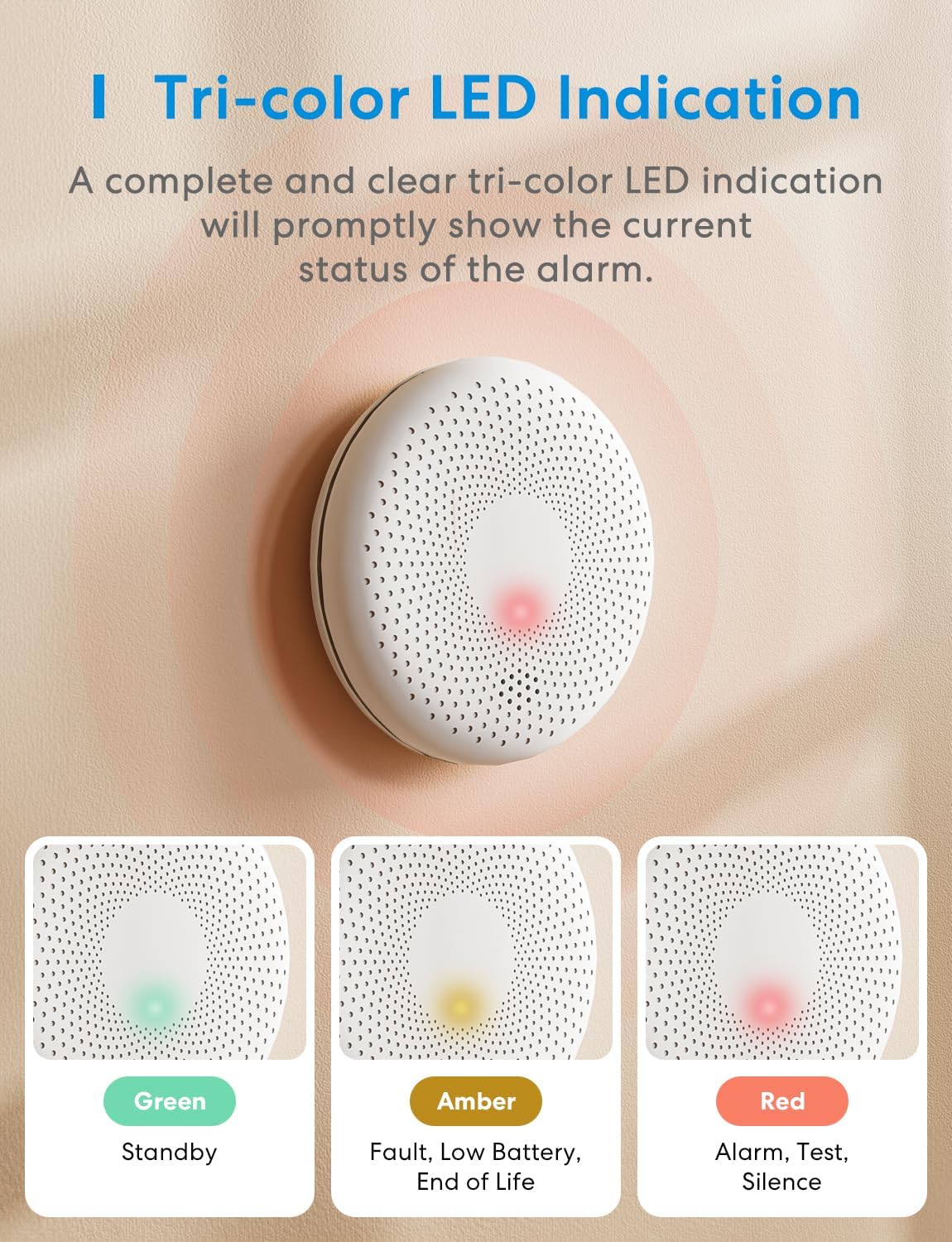
Figure 6.1.1: Tri-color LED Indication. This image illustrates the different LED colors and their corresponding alarm statuses.
- I-LED eluhlaza: Flashes once every 60 seconds – Indicates normal operation (Standby).
- I-Amber LED: Flashes once every 60 seconds with a chirp – Indicates a fault, low battery, or end-of-life.
- I-LED Ebomvu: Flashes rapidly with loud alarm – Indicates smoke or CO detection (Alarm).
- I-LED Ebomvu: Flashes during test or silence mode.
6.2 Ukuhlola i-alamu
It is recommended to test your alarm monthly to ensure it is functioning correctly.
- Press and hold the Test/Silence button located on the front of the alarm.
- The alarm will emit a series of loud beeps, and the red LED will flash. This indicates the alarm is working.
- Release the button. The alarm will return to normal operation.

Figure 6.2.1: Loud Buzzer Alarm. This image visually represents the 85dB alarm sound emitted by the device.
6.3 Silencing the Alarm
In case of a non-emergency alarm (e.g., cooking smoke), you can temporarily silence the alarm:
- Cindezela inkinobho ethi Hlola/Thulisa kanye.
- The alarm will enter a temporary silence period (typically 5-10 minutes). The red LED will continue to flash during this period.
- If the smoke or CO concentration remains high after the silence period, the alarm will reactivate.
Warning: Do not silence the alarm without first investigating the cause of the alarm. If the cause is unknown, evacuate the premises immediately.
7. Isondlo
Regular maintenance ensures the longevity and reliability of your Meross CS11 alarm.
- Ukuhlolwa Kwanyanga Zonke: Test the alarm monthly using the Test/Silence button.
- Ukuhlanza: Gently vacuum the alarm cover once a month using a soft brush attachment to remove dust and debris. Do not use cleaning agents or solvents.
- Ibhethri: The battery is sealed and designed for 10 years of operation. Do not attempt to replace it. When the battery is low or the unit reaches its end-of-life, the amber LED will flash with a chirp. Replace the entire unit.
8. Ukuxazulula izinkinga
| Inkinga | Imbangela Engenzeka | Isixazululo |
|---|---|---|
| Alarm chirps every 60 seconds (Amber LED). | Low battery, fault, or end-of-life. | The battery is sealed. If the alarm is chirping, it indicates the unit needs to be replaced. |
| Alarm sounds frequently without apparent smoke/CO. | False alarm due to cooking fumes, steam, dust, or improper placement. | Press the Test/Silence button. Relocate the alarm if false alarms persist due to environmental factors. Clean the alarm. |
| I-alamu ayizwakali ngesikhathi sokuhlolwa. | Unit not activated, battery depleted, or unit malfunction. | Ensure the alarm is properly mounted and activated. If it still doesn't work, the unit may be faulty and needs replacement. |
| Green LED not flashing. | Unit not activated or malfunction. | Ensure the alarm is properly mounted and activated. If the issue persists, the unit may be faulty and needs replacement. |
9. Imininingwane
| Inombolo Yemodeli | CS11 |
| Umthombo wamandla | Sealed 3V Lithium Battery (non-replaceable, 10-year life) |
| Uhlobo lwenzwa | I-Photoelectric (Intuthu), i-Electrochemical (CO) |
| I-Alarm Loudness | ≥ 85 dB at 3 meters |
| CO Detection Range | Kufika ku-40 m² |
| Izinga Lokushisa Lokusebenza | 0°C ukuya ku-40°C (32°F ukuya ku-104°F) |
| Umswakama Osebenzayo | ≤ 95% RH (okungafinyeleli) |
| Ubukhulu (Ububanzi x Ubude) | 120 mm x 28 mm (approx. 4.72 in x 1.1 in) |
| Isisindo | 135 amagremu (cishe 4.76 oz) |
| Izitifiketi | EN 14604:2005/AC:2008 (Smoke), EN 50291-1:2010 (CO) |
| Okubalulekile | I-ABS |

Figure 9.1.1: Elegant and Compact Design with Component Overview. This image highlights the key external features and dimensions of the alarm.
10. Ulwazi Lwewaranti
Specific warranty details are not provided in the product information. Please refer to the official Meross website or contact Meross customer support for detailed warranty terms and conditions applicable to your region.
11. Ukwesekwa Kwamakhasimende
For technical assistance, troubleshooting, or general inquiries, please visit the official Meross support page or contact their customer service. Contact information can typically be found on the Meross webindawo noma emaphaketheni omkhiqizo.
Ungavakashela futhi Meross Brand Store on Amazon ukuze uthole ulwazi olwengeziwe lomkhiqizo.


