Isingeniso
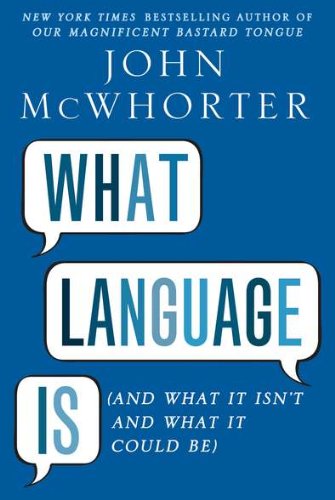
Le manuwali inikeza i-overview and guide to understanding the concepts presented in John McWhorter's book, What Language Is (And What It Isn't and What It Could Be). The book explores the intricate and captivating nature of human language, from widely spoken tongues to obscure dialects, challenging conventional notions of grammar and linguistic correctness. It offers a linguist's perspective on how languages originate, evolve, and diversify across the globe.
Understanding the Core Concepts
McWhorter's work delves into several fundamental ideas about language:
- Language as a Dynamic Entity: The book emphasizes that language is constantly changing and evolving, rather than being a static system governed by rigid rules. This includes how new forms emerge and old ones fade.
- Challenging Prescriptivism: It argues against the idea of "correct" grammar as an absolute, illustrating how what is considered "slang" or "incorrect" often possesses its own structured grammar and logic.
- The Role of Contact and Acquisition: A key insight is how languages simplify when learned by adults in contact situations, and how they regain complexity when learned as first languages by children. This explains differences between "typical" complex languages and simplified "imperial" or creole languages.
- Global Linguistic Diversity: The book provides a tour of various languages, highlighting their unique features and demonstrating the vast spectrum of human linguistic expression.
Engaging with the Text
To fully appreciate the insights offered in this book, consider the following:
- Read Actively: Engage with the examples provided, which span numerous languages. While not all examples may be familiar, they serve to illustrate broader linguistic principles.
- Question Assumptions: The book encourages readers to re-evaluate their preconceived notions about language, grammar, and linguistic "purity."
- Connect to Personal Experience: Reflect on how the concepts discussed relate to your own language use and observations of language in the world around you.
- Consider the Broader Implications: McWhorter's arguments extend beyond linguistics, touching upon cultural understanding and the nature of human communication.
Ukunakekelwa Nokulondolozwa
To ensure the longevity of your hardcover book, please follow these guidelines:
- Gcina incwadi endaweni epholile, eyomile kude nokukhanya kwelanga okuqondile ukuze uvimbele ukufiphala nokugoba.
- Avoid exposing the book to extreme temperatures or humidity.
- Handle with clean hands to prevent oils and dirt from transferring to the pages and cover.
- Do not fold pages or use excessive force when opening the book, as this can damage the spine.
Addressing Common Misconceptions
The book directly addresses and debunks several common misunderstandings about language:
- Inganekwane: Some languages are inherently "better" or more "developed" than others.
Ukucaciswa: McWhorter demonstrates that all languages, regardless of their perceived status or number of speakers, are complex and fully functional systems of communication. - Inganekwane: Slang or informal speech is "bad" grammar.
Ukucaciswa: The book illustrates that even seemingly "incorrect" forms of speech often adhere to their own internal grammatical rules and are valid linguistic expressions. - Inganekwane: Languages should be preserved in a static form.
Ukucaciswa: Language change is a natural and continuous process. Attempts to halt this evolution are often futile and misunderstand the dynamic nature of language.
Imininingwane
| Umshicileli | I-Gotham |
| Usuku Lokushicilela | Agasti 4, 2011 |
| Ulimi | IsiNgisi |
| Ubude bokuphrinta | Amakhasi angu-240 |
| I-ISBN-10 | 1592406254 |
| I-ISBN-13 | 978-1592406258 |
| Isisindo sento | 14.4 amakhilogremu |
| Ubukhulu | 5.75 x 1 x 8.75 amayintshi |
Author Information and Further Reading
John McWhorter is a distinguished linguist and author. He is known for his accessible writing style that makes complex linguistic concepts understandable to a broad audience. His other works include Losing the Race: Self-Sabotage in Black America futhi The Power of Babel: A Natural History of Language.
For more information about John McWhorter and his publications, you may visit his Amazon author page.


