
1. Isingeniso
This manual provides essential information for the safe and effective use of your VEVOR Car Tie Down Straps Kit. Please read these instructions thoroughly before initial use and retain for future reference. This kit is designed for securing vehicles during transportation, ensuring stability and preventing movement.
2. Ulwazi Lokuphepha
Adhering to safety guidelines is crucial to prevent injury and damage to property. Always prioritize safety during setup and operation.
- Imikhawulo Yokulayisha: Do not exceed the working load limit (WLL) of 5,512 pounds (2,500 kg) per strap. The breaking strength is 11,023 pounds (5,000 kg). Always ensure the combined WLL of all straps used meets or exceeds the weight of the vehicle being secured.
- Ukuhlola: Before each use, inspect all straps, ratchets, and hooks for signs of wear, cuts, fraying, corrosion, or damage. Do not use damaged equipment.
- Okunamathiselwe Okufanelekile: Ensure straps are correctly routed and hooks are securely attached to appropriate anchor points on the trailer and around the vehicle's tires.
- I-Even Tension: Distribute tension evenly across all straps to prevent uneven stress on the vehicle and trailer.
- Gwema Imiphetho Ebukhali: Protect straps from sharp edges on the vehicle or trailer using wear pads or corner protectors to prevent cutting or abrasion.
- Ukuhlola Okuvamile: Periodically check strap tension during transit, especially after the first few miles, and re-tighten if necessary.
- Ukusula: Ensure sufficient clearance for the ratchet mechanism to operate without damaging the vehicle's underside.

Figure 2.1: VEVOR Ratchet Tie Down Strap highlighting load capacity and breaking strength.
3. Okuqukethwe Kwephakheji
Qinisekisa ukuthi zonke izingxenye zikhona futhi azilimele lapho uvula iphakheji:
- 4 x Ratchet with Flat Hook
- 4 x Tire Straps (Lasso Style, 2" x 120")
- 1 x Isikhwama Sokugcina
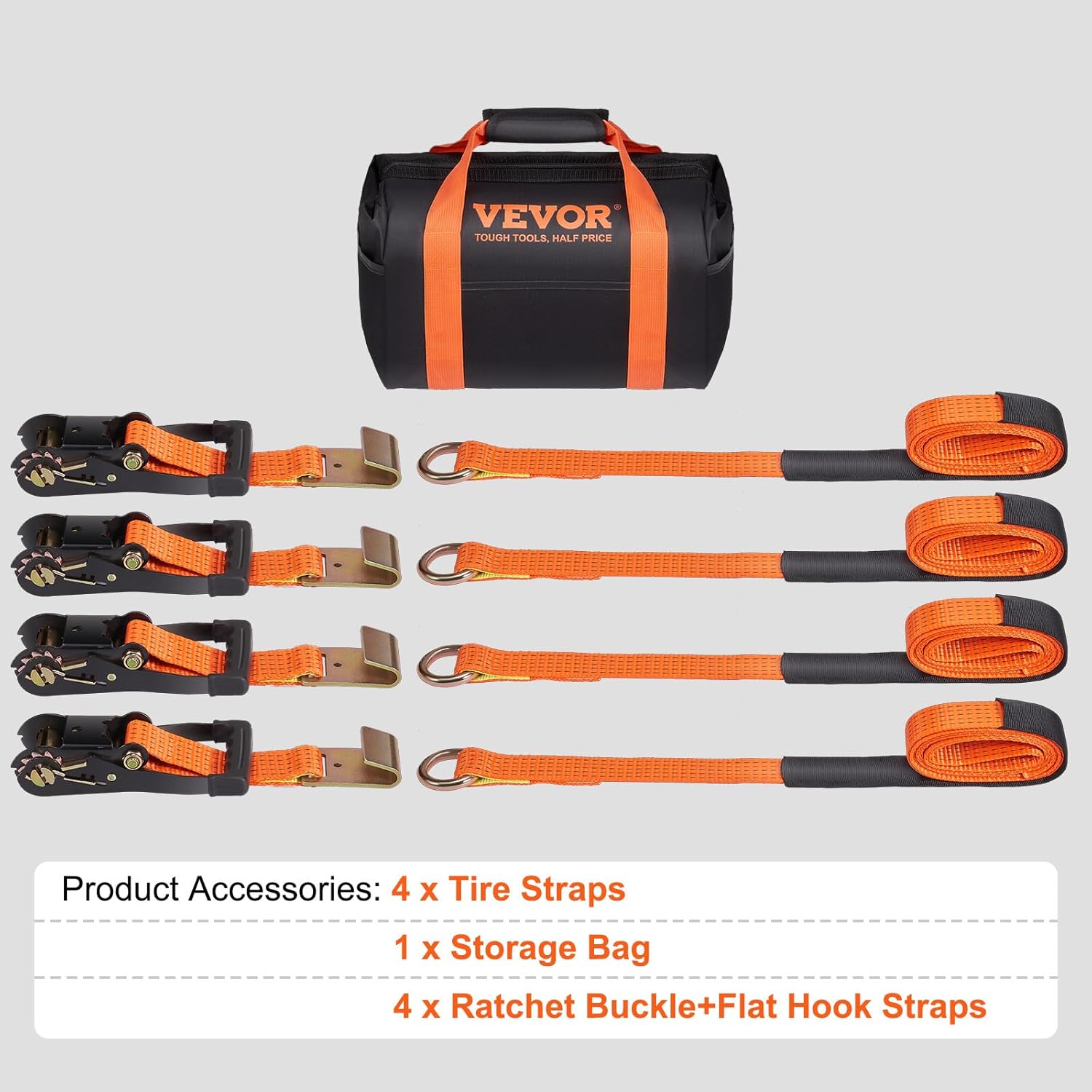
Figure 3.1: Included components of the VEVOR Car Tie Down Straps Kit.
4. Umkhiqizo Uphelileview
The VEVOR Car Tie Down Straps are engineered for secure vehicle transport. They feature industrial-grade polyester material for durability and a lasso-style design for versatile application.
Izici Eziyinhloko:
- Izinto Ezisezingeni Eliphezulu: Constructed from industrial-grade polyester, offering UV resistance and wear resistance for prolonged life.
- Ukuvikela Okuthuthukisiwe: Includes protective wear pads to minimize damage to straps, wheels, and the vehicle. A smooth O-ring design further reduces strap wear.
- Ukumelana Nokugqwala: Metal ratchet components are designed to resist rust and corrosion.
- Ubude Obunwetshiwe: Each strap measures 2 inches by 120 inches, providing ample length for various vehicle types, including UTVs, ATVs, pickup trucks, SUVs, passenger cars, motorcycles, and vans.
- Flat Hooks: Compatible with most trailer anchor points.

Figure 4.1: Illustration of the high-quality polyester material used in the straps.

Figure 4.2: Comparison of strap lengths, emphasizing the 120-inch length for versatility.
5. Ukusetha nokusebenza
Follow these steps to properly secure your vehicle using the VEVOR Car Tie Down Straps.
Isinyathelo ngesinyathelo Umhlahlandlela:
- Position the Vehicle: Carefully drive or winch the vehicle onto the trailer, ensuring it is centered and positioned as desired for transport. Engage the vehicle's parking brake.
- Prepare the Straps: Take one tire strap and one ratchet buckle with a flat hook.
- Xhuma Izingxenye: Connect the tire strap (lasso style) around the vehicle's tire. Thread the free end of the tire strap through the slot in the center spool of the closed ratchet buckle.
- Namathisela ama-Hook: Securely attach the flat hook of the ratchet assembly to an appropriate anchor point on the trailer.
- Tighten the Strap: Operate the ratchet handle by moving it up and down to remove slack and apply tension to the strap. Continue ratcheting until the strap is taut and the vehicle's tire is firmly secured. Ensure the molded handle provides a comfortable grip.
- Secure All Wheels: Repeat the process for all remaining wheels, typically using four straps for optimal security.
- Ukuhlola Kokugcina: After securing all straps, double-check that all hooks are properly seated, straps are free from twists, and tension is adequate and even across all points.

Figure 5.1: Instructions for operating the ratchet mechanism.
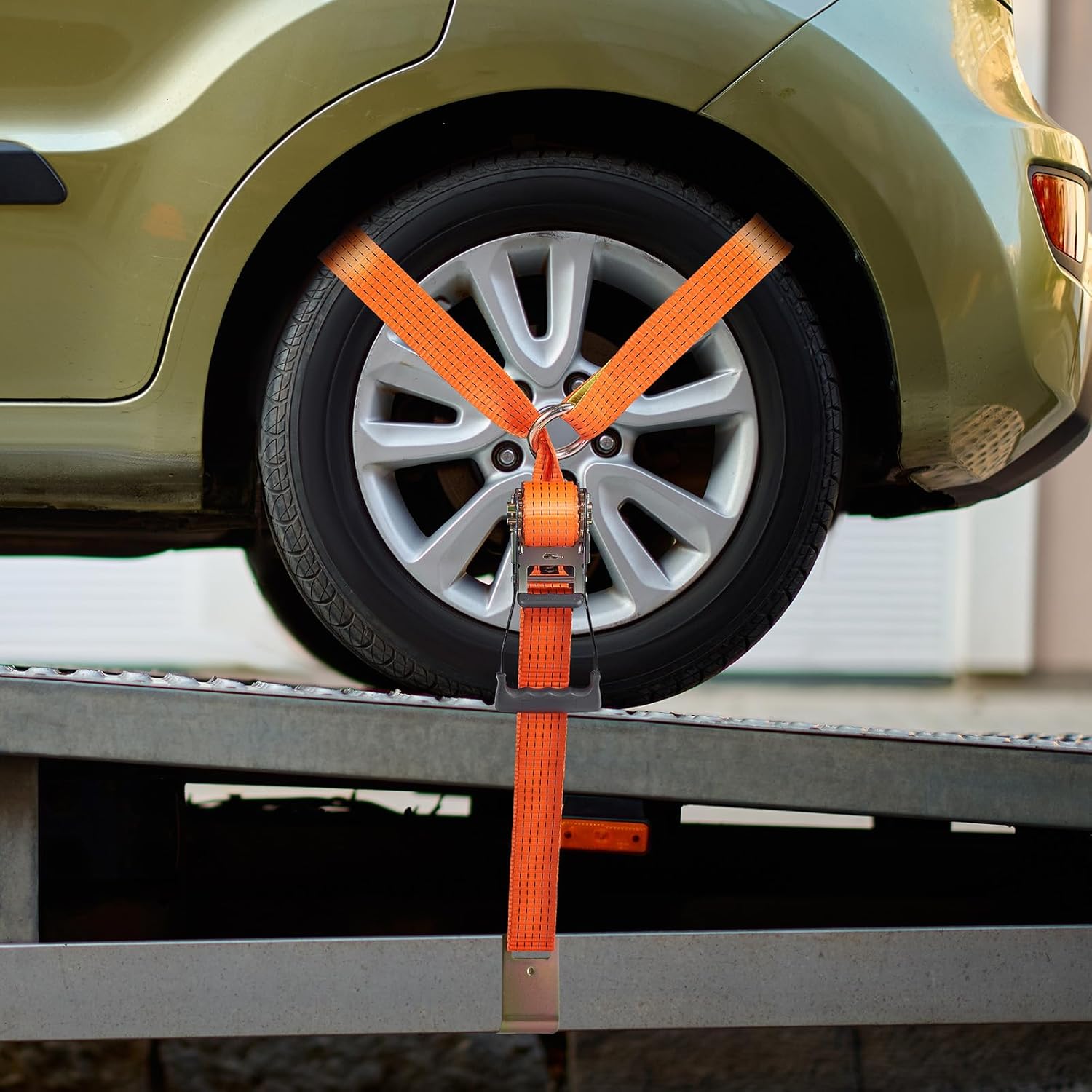
Umfanekiso 5.2: Eksample of a vehicle wheel properly secured for transport.
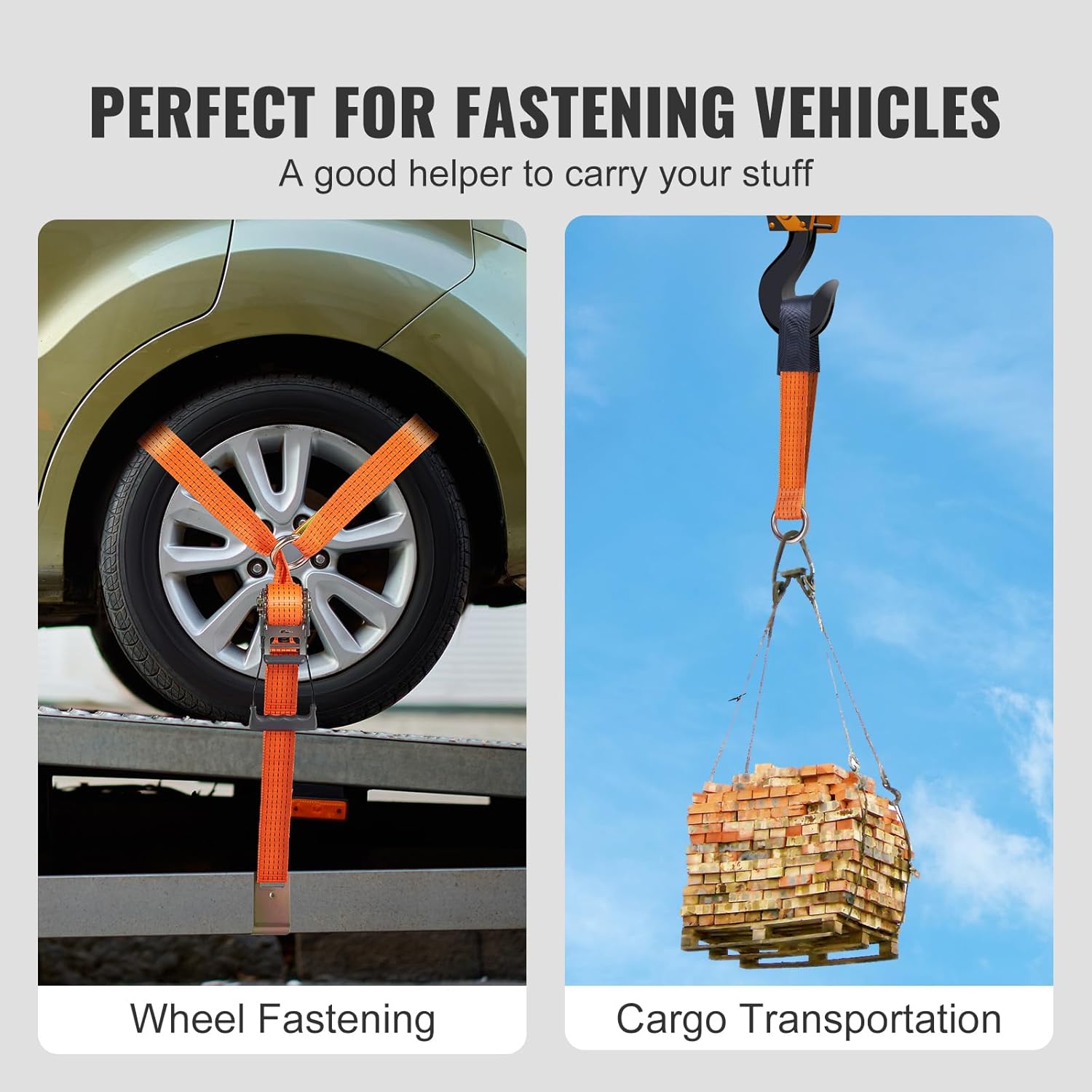
Figure 5.3: Applications for wheel fastening and cargo transportation.
6. Isondlo
Proper maintenance extends the lifespan of your tie-down straps and ensures continued safe operation.
- Ukuhlanza: Clean straps with mild soap and water. Rinse thoroughly and allow to air dry completely before storage. Do not use harsh chemicals or solvents.
- Ukuhlola Okuvamile: Routinely inspect straps for cuts, tears, fraying, or excessive wear. Check ratchets and hooks for deformation, cracks, corrosion, or proper functioning.
- Ukuthambisa: Periodically apply a light lubricant to the moving parts of the ratchet mechanism to ensure smooth operation and prevent rust.
- Isitoreji: Store the straps in the provided storage bag in a dry, cool place, away from direct sunlight and extreme temperatures. Avoid storing them in areas where they might be exposed to chemicals, oils, or sharp objects.
7. Ukuxazulula izinkinga
If you encounter issues during use, consider the following common problems and solutions:
- Strap Not Tightening:
- Ensure the strap is correctly threaded through the ratchet's spool.
- Check for any obstructions in the ratchet mechanism.
- Verify that the ratchet is fully open before threading and fully closed when tensioning.
- Strap Slipping After Tightening:
- Confirm the ratchet handle is fully closed and locked after tensioning.
- Inspect the strap and ratchet for wear or damage that might prevent proper grip. Replace if damaged.
- Ensure the strap is not overloaded beyond its working load limit.
- Difficulty Releasing Ratchet:
- Ensure the release lever is fully engaged.
- If the strap is under extreme tension, try to slightly increase tension with the handle before fully engaging the release lever.
- Check for rust or debris in the mechanism; clean and lubricate if necessary.
8. Imininingwane
| Isici | Ukucaciswa |
|---|---|
| Inombolo Yemodeli | I-XMS-2 |
| Usayizi wesigcawu | 2" x 120" (5.08 cm x 304.8 cm) |
| Okubalulekile | Industrial-grade Polyester |
| I-Hardware Material | Insimbi engagqwali |
| Umkhawulo Womthwalo Wokusebenza (WLL) | 5,512 lbs (2,500 kg) |
| Breaking Amandla | 11,023 lbs (5,000 kg) |
| Uhlobo lwe-Fastener | I-Flat Hook |
| Inombolo yezingcezu | 4 (Straps) |
| Umbala | U-Orange no-Mnyama |
| Isisindo sento | 18.52 lbs (8.4 kg) |
| Compatible Vehicle Types | ATV, Passenger Car, SUV, Trailer, UTV, Motorcycle, Van |
9. Iwaranti kanye Nokusekela
Imikhiqizo ye-VEVOR yakhelwe ukuqina nokusebenza. Ukuze uthole imininingwane ethile yewaranti, sicela ubheke ikhadi lewaranti elifakwe nomkhiqizo wakho noma uvakashele i-VEVOR esemthethweni website. If you require technical assistance, have questions about product operation, or need to report a defect, please contact VEVOR customer support through their official channels.