
1. Isingeniso
The WWZMDiB CP2112 is a versatile Micro USB to SMBus/I2C communication adapter designed for various electronic projects. This device facilitates seamless communication between a host computer and SMBus or I2C slave devices, making it ideal for portable controllers, USB dongles, and data logging applications. It features an integrated 194-byte one-time programmable ROM for customizable product information and supports a HID to SMBus library API for rapid application development across Windows, Mac, and Linux operating systems.
2. Izici Eziyinhloko
- Single-Chip HID USB to SMBus Master Bridge: Integrated USB transceiver, requiring no external resistors or crystals.
- SMBus Master Device: Supports SMBus communication protocols.
- Ukucushwa kwe-GPIO: General Purpose Input/Output pins configurable as input, output, open-drain, or push-pull.
- 512-byte SMBus Data Buffer: Configurable clock speed for efficient data transfer.
- Integrated 194-byte One-Time Programmable ROM: Allows for customizable product information storage.
- USB Peripheral Function Controller: USB Specification 2.0 compliant, full-speed (12 Mbps).
- USB Suspend States: Supports SUSPEND and /SUSPEND pins for power management.
- HID Interface: Standard USB class device, typically requiring no custom drivers.
- Usekelo Lwesistimu Esebenzayo: Compatible with Windows, Mac, and Linux.
- HID-to-SMBus Library API: Provides APIs for quick application development.
- SMBus Configuration Options: Includes configurable clock speed, device address (7-bit slave address), read/write timeouts, SCL low timeout, and retry counter timeout.
- GPIO Interface Features: 8 GPIO pins with configurable options, usable as inputs, open-drain or push-pull outputs, configurable clock output for external devices (48 MHz to 94 kHz), and toggle LED during SMBus reads/writes.
- I-Supply Voltage: Self-powered (3.0 to 3.6 V), USB bus powered (4.0 to 5.25 V), I/O voltage (1.8 V to VDD).

Umfanekiso 1: Ngaphambili view of the WWZMDiB CP2112 Adapter.

Umfanekiso 2: Emuva view of the WWZMDiB CP2112 Adapter.
3. Yini EseBhokisini
The package for your WWZMDiB CP2112 Adapter typically includes the following components:
- 1x CP2112 Adapter Board
- I-1x Micro USB Cable
- Jumper Wires (various colors)
- Pin Headers (for soldering onto the board)

Figure 3: The WWZMDiB CP2112 Adapter in its retail packaging.
Video 1: Unboxing and component overview of the CP2112 Adapter, showing the board, USB cable, and pin headers.
4. Sethaphu Imiyalelo
Follow these steps to set up your WWZMDiB CP2112 Adapter:
- Attach Pin Headers: Solder the included pin headers to the designated holes on the CP2112 adapter board. Ensure a secure connection for reliable operation.
- Connect Jumper Wires: Use the jumper wires to connect the CP2112 adapter to your target SMBus or I2C device. Refer to the pinout diagram (if available) for correct connections.
- Xhuma Ikhebula le-USB: Plug the Micro USB end of the provided cable into the CP2112 adapter and the standard USB-A end into your computer.
- Ukufakwa komshayeli: The CP2112 is a standard USB Human Interface Device (HID) class device and typically does not require custom driver installation on Windows, Mac, or Linux. If issues arise, ensure your operating system is up to date or check the manufacturer's website for specific driver information.
- USB Port Recommendation: To avoid potential compatibility issues, especially with USB 3.0 ports, it is recommended to use a USB 2.0 port on your computer if available.
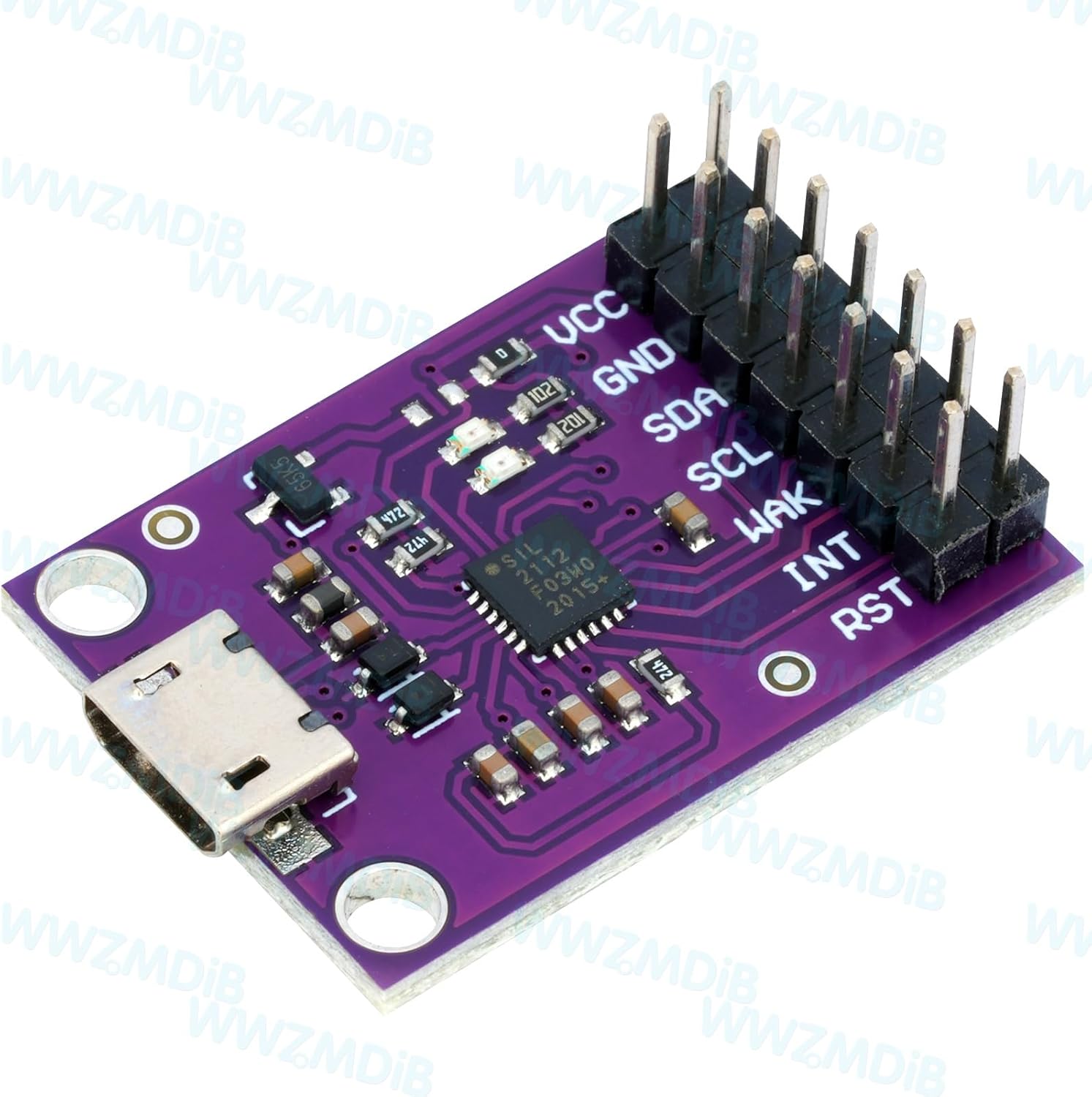
Figure 4: The CP2112 Adapter with pin headers and jumper wires connected.
Video 2: Demonstration of connecting the pin headers and USB cable to the CP2112 Adapter.
5. Iziqondiso Zokusebenza
The WWZMDiB CP2112 Adapter functions as a bridge for SMBus and I2C communication. To operate the device, you will typically use a software application on your computer that utilizes the provided HID to SMBus library API.
- Ukuthuthukiswa Kwesoftware: Develop or use existing applications that leverage the HID to SMBus library API. This API allows your software to send and receive data over the SMBus/I2C interface.
- Iphrothokholi Yokuxhumana: Ensure your target device's SMBus or I2C address and communication parameters (e.g., clock speed, timeouts) are correctly configured within your software. The CP2112 will only acknowledge its own 7-bit slave address but will not respond to read/write requests to it directly.
- Ukudluliswa Kwedatha: Use the API functions to initiate read and write operations to your connected SMBus/I2C slave devices. The 512-byte data buffer helps manage data flow.
- Ukulawulwa kwe-GPIO: If your application requires it, configure and control the 8 GPIO pins for various functions such as inputs, outputs, or clock generation. The LEDs on the board can be configured to toggle during SMBus read/write operations, providing visual feedback.
6. Imininingwane Yezobuchwepheshe
| Ukucaciswa | Imininingwane |
|---|---|
| Ibhrendi | WWZMDiB |
| Igama Lemodeli | CP2112 Adapter |
| Ubuchwepheshe bokuxhumana | I-I2C, i-USB |
| Amandla Okugcina Inkumbulo | 194 Bytes (One-Time Programmable ROM) |
| SMBus Data Buffer | 512 Amabhayithi |
| Usekelo Lwesistimu Esebenzayo | Windows, MacOS, Linux |
| Isisindo sento | 1.41 amakhilogremu |
| Ubukhulu bephakheji | 3.66 x 3.62 x 0.67 amayintshi |
| Usuku Lokuqala Olutholakalayo | Julayi 26, 2024 |

Figure 5: Physical dimensions of the CP2112 Adapter.
7. Isondlo
To ensure the longevity and proper functioning of your WWZMDiB CP2112 Adapter, please observe the following maintenance guidelines:
- Isitoreji: Store the adapter in a dry, cool environment away from direct sunlight and extreme temperatures.
- Ukuhlanza: Use a soft, dry cloth to gently clean the adapter. Avoid using liquid cleaners or solvents, which may damage the electronic components.
- Ukuphatha: Handle the board with care to prevent physical damage to the components or solder joints. Avoid bending or dropping the device.
- Izixhumanisi: Ensure all connections (USB cable, jumper wires) are secure but not forced, to prevent damage to the ports or pins.
8. Ukuxazulula izinkinga
If you encounter issues with your WWZMDiB CP2112 Adapter, consider the following troubleshooting steps:
8.1. USB Connection Unstable or Unavailable
If the USB connection is unstable or the device is not recognized by your computer:
- Prioritize USB 2.0: To avoid potential compatibility issues, especially with some USB 3.0 ports, try connecting the adapter to a USB 2.0 port on your computer.
- Ikhebula Lokuhlola: Ensure the USB cable is securely connected at both ends. Try using a different Micro USB cable to rule out a faulty cable.
- Zama Imbobo Ye-USB Ehlukile: Connect the adapter to a different USB port on your computer.
- Qala kabusha Ikhompyutha: A simple computer restart can often resolve connectivity issues.
- Driver Verification: Although the CP2112 is typically plug-and-play, verify that your operating system's USB drivers are up to date.
8.2. Device Not Detected or Getting Hot
If the device is not detected by your PC or becomes excessively hot during use:
- Hlola Izifunda Ezimfushane: Inspect your wiring and connections for any accidental short circuits, which can cause overheating.
- Ukunikezwa kwamandla kagesi: Ensure the power supply to the device is within the specified range (4.0 to 5.25 V for USB bus powered, 3.0 to 3.6 V for self-powered).
- Izinkinga Zesofthiwe: If using custom software, ensure it is correctly configured and not causing unexpected behavior.
- Xhumana Nosekelo: If the issue persists after trying the above steps, the device may be faulty. Contact WWZMDiB customer support for further assistance.

Figure 6: Frequently Asked Questions regarding USB connection and CP2112 features.
9. Iwaranti kanye Nokusekela
For warranty information, technical support, or any inquiries regarding your WWZMDiB CP2112 Adapter, please refer to the documentation included with your purchase or visit the official WWZMDiB website. You may also contact the seller directly through the platform where the product was purchased.